
Understanding Biting Behavior in Early Chilhood
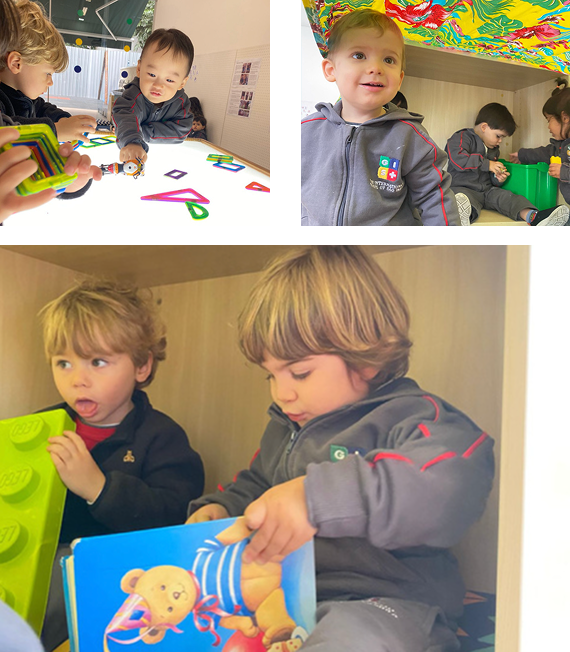
Biting is a expected behavior observed during early childhood, particularly in the first years of life. While it can be concerning for families, biting is widely recognized by developmental research as part of a child’s communication and emotional regulation process.
Understanding why biting occurs and how it is addressed in a caring and intentional way is essential to supporting children’s healthy development.
Why Do Young Children Bite?
During the first years of life, children are still developing language, emotional regulation, and social skills. Research indicates that nearly half of all toddlers may bite at least once during early childhood (Ramming et al., 2006).
This behavior is most common between 18 months and 3 years of age, a period marked by rapid cognitive, emotional, and social growth.
At this stage, children may bite for several reasons:
Limited verbal language to express needs or frustrations
Sensory exploration and impulse control still under development
Strong emotions such as excitement, frustration, or fatigue
Difficulty with turn-taking and social boundaries
From a cognitive perspective, children in this period are developing cause-andeffect understanding and beginning to recognize the impact of their actions, butthey are not yet able to consistently regulate impulses. Biting is therefore not an act of aggression, but a developmentally expected behavior linked to immatureself-regulation skills.
“All behavior has meaning. With calm presence, consistency, and affection, we help children transform big feelings into trust, empathy, and a sense of belonging within our community.”
— Ms. Erica Balbino, Alpha teacher
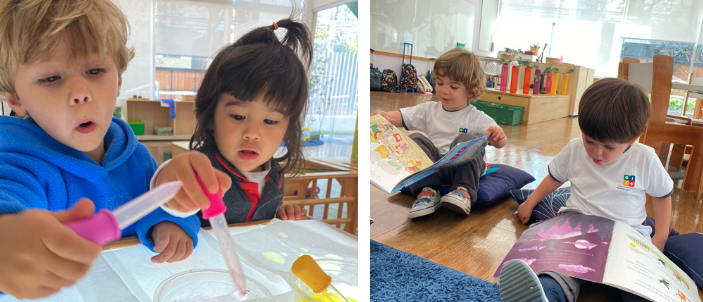
“We understand how difficult it can be for families when their child is bitten. Our role is to welcome both the child and the family with empathy, clarity, and reassurance, so they feel supported and informed.”
— Ms. Bianca Nunes, PYP Coordinator
Our Approach at GIS São Paulo
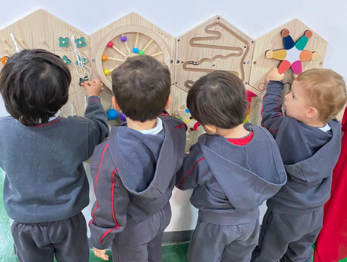
At GIS São Paulo, children’s wellbeing and emotional safety are ourpriority. In biting incidents, we respond with care, learning, and prevention by:
Comforting the child who was bitten
Guiding the child who bit with empathy
Communicating promptly and transparently with both families
This approach reflects our belief that children learn through meaningful relationships, especially during emotionally intense moments.
“When language is still developing, children often express their feelings through actions. Our role is to guide them calmly toward better ways to communicate.”
— Ms. Erica Balbino, Alpha Teacher
Prevention and Ongoing Support
Preventing biting requires close observation and intentional strategies. Research highlights that adult presence and proactive supervision significantly reduce recurring incidents (Poelle, 2019).
At GIS SP, we adopt preventive strategies such as:
Assigning a shadow teacher to children who are in a phase of frequent biting, ensuring closer attention to interactions and proximity
Observing patterns related to time of day, environment, or emotional triggers
Supporting children with alternative ways to communicate needs and emotions
Adjusting routines and environments to reduce stress and overstimulation
While no strategy eliminates biting entirely, these measures increase safety, guidance, and self-regulation.
Biting, Learning, and Building Our IB-Inspired Culture
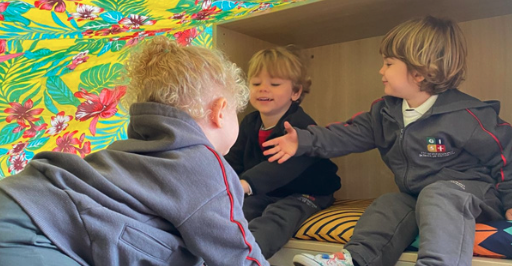
Our approach to biting behavior reflects our commitment to nurturing social and emotional development from the very early years, while intentionally building a shared school culture inspired by the IB Learner Profile.
Even before children formally enter the PYP, we embed these values into daily interactions, helping children gradually develop the skills they need to communicate, relate, and belong within a community.
Through guided interactions, children are supported to become:
Caring, as they learn to recognize and respond to the feelings of others
Principled, by understanding boundaries and acceptable social behavior
Communicators, as they are encouraged to express needs through gestures, words, and emotional cues
Reflective, as educators help them recognize emotions and actions
These experiences contribute to the development of social awareness, empathy, and emotional intelligence, essential foundations for lifelong learning.
“We reassure families that biting is common in early development and work together to support the child at school and at home.”
— Ms. Giovanna Nieto, Alpha Teacher
Supporting Development Through Relationships
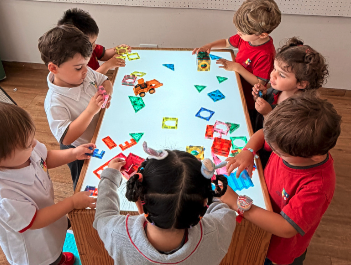
In the Early Years, children learn about themselves and others through close relationships with peers and adults. Moments of conflict, when guided with care and intention, become powerful learning opportunities.
At GIS São Paulo, we view biting not as a behavior to punish, but as a signal to teach, guide, and support. By fostering a safe, respectful, and responsive environment, we help children develop the skills they need to navigate social interactions, regulate emotions, and build meaningful relationships.
Through partnership with families, research-informed practices, and a strong commitment to child development, we ensure that every child is supported with empathy, understanding, and care.
At GIS SP, we promote open-mindedness and respect for diverse perspectives, fostering a sense of empathy and understanding. Our caring and supportive community encourages students to take risks, explore new ideas, and develop resilience. We strive to cultivate balanced individuals who are physically, emotionally, and intellectually healthy.
By intentionally integrating the IB Learner Profile throughout the Primary Years Programme, we support students’ holistic development across all domains, nurturing the skills, attitudes, and dispositions needed to become lifelong learners and responsible global citizens.
Bianca Nunes
PYP Coordinator at GIS SP
References
Poelle, L. (2019). The Biting Solution: The Expert’s No-Biting Guide for Parents, Caregivers, and Early Childhood Educators. Parenting Press.
Ramming, P., Kyger, C. S., & Thompson, S. D. (2006). A New Bit on Toddler Biting. Young Children.
Solomons, H. C., & Elardo, R. (1991). Biting in day care centers: Incidence, prevention, and intervention. Journal of Pediatric Health Care, 5(4), 191–196.